
Give Old Pieces New Life
Today we journey into upcycling and restoring vintage furniture for sustainable interiors, celebrating craftsmanship, rescuing character-packed pieces from landfills, and designing rooms that feel personal and planet‑friendly. Expect sourcing wisdom, safe methods, creative transformations, finish advice, and community stories to launch your next meaningful project with confidence.
Hunting and Evaluating Hidden Treasures
Thrift stores, flea markets, estate sales, and online classifieds hide sturdy hardwood frames beneath dust and dated varnish. Learn to distinguish solid wood from veneer, check for wobble and water damage, and spot repairable flaws, so you choose projects with soul, integrity, and realistic effort.

Smart sourcing without the guilt
Start with community platforms, charity shops, and neighborhood clean‑outs where your purchase supports reuse instead of fueling fast‑furniture turnover. Ask about pickup days, sign up for estate alerts, and bring measurements and photos of your space. Document asking prices, defects, and dimensions to negotiate kindly while honoring the piece’s history and the seller’s circumstances.
Reading construction and materials
Flip chairs and dressers to inspect joinery, screws, and wood species. Dovetails, mortise‑and‑tenon joints, and quarter‑sawn oak signal quality worth saving. Beware swollen particleboard, active mold, and severe insect activity. A small mirror and flashlight help you assess underside rails, casters, and hidden repairs before committing.
Preparation That Protects You and the Planet
Safety first: dust, fumes, and quiet patience
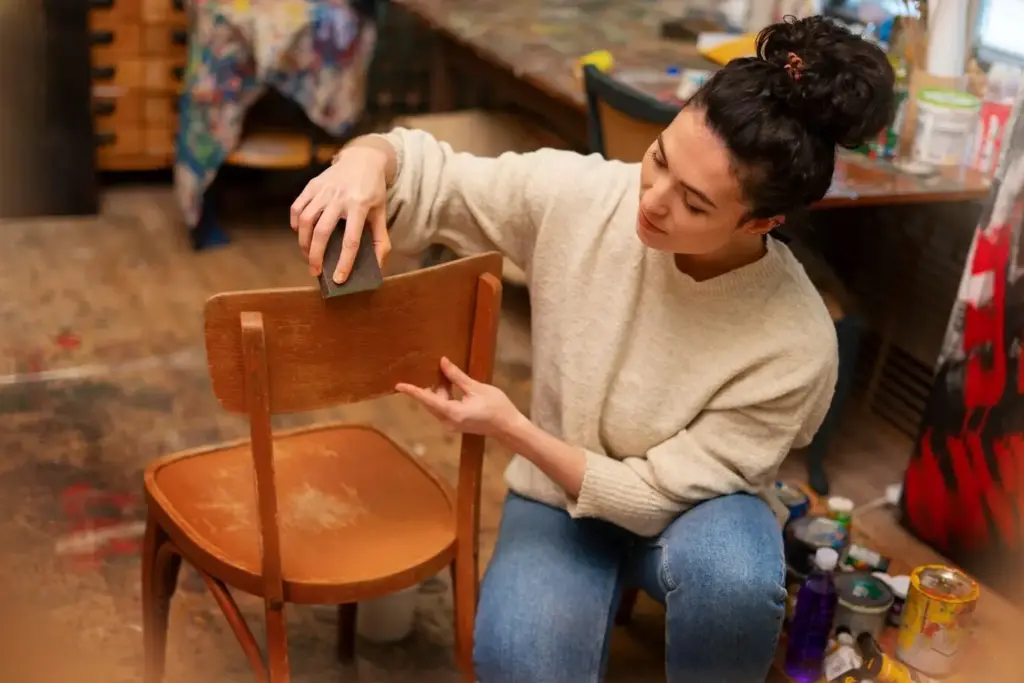
Prioritize respirators with appropriate cartridges, eye protection, and gloves suited to solvents or water‑based products. Wet‑sand when possible, vacuum with HEPA filters, and work in light passes rather than aggressive grinding. Keep pets and children away, label containers clearly, and build in breaks so decisions stay thoughtful, not rushed.
Green tools and supplies that actually work
Choose reusable drop cloths, plant‑based strippers, biodegradable cleaners, and waterborne finishes with transparent safety data. Borrow clamps, sanders, and steamers from tool libraries or neighbors. Sharpen rather than replace. Responsible choices reduce costs and trash while still delivering smooth surfaces, strong bonds, and rich glow without harsh chemical hangovers.
Documenting and planning the process
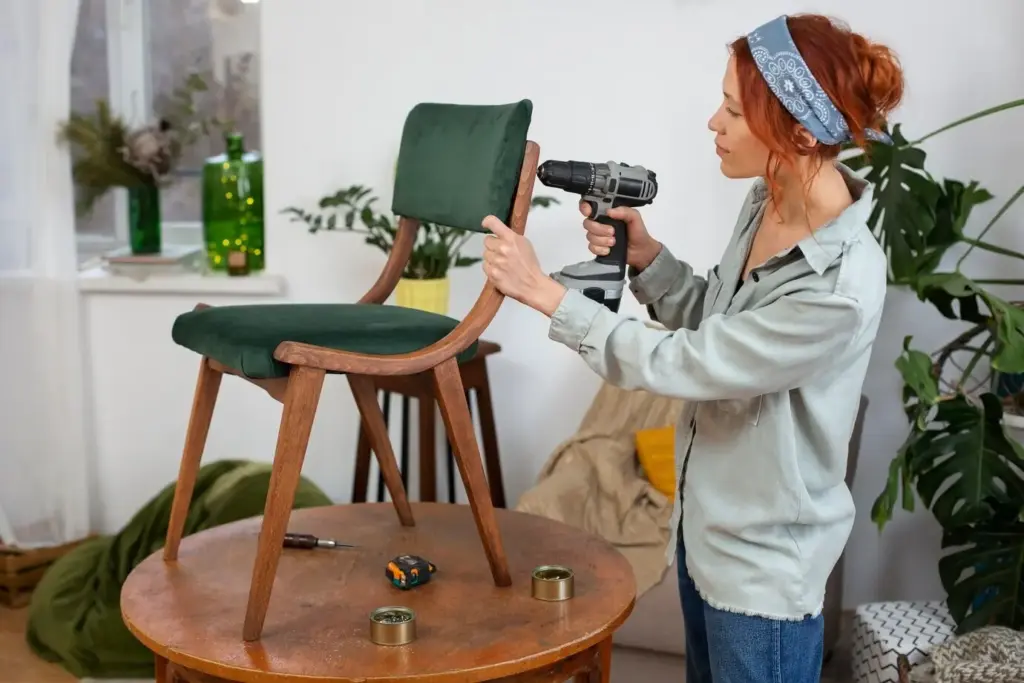
Photograph hardware placement, hinges, and drawer runners before disassembly. Sketch a step list, estimate cure times, and set milestones for cleaning, repairs, priming, and finishing. Bag and label screws, create a parts box, and journal decisions. Your future self will thank you when reassembly feels calm, accurate, and proud.
Repair and Restoration Fundamentals
Honor original craftsmanship by fixing what matters and leaving time’s gentle marks. Begin with cleaning, stabilize loose joints, and replace missing veneer thoughtfully. Match grain and species where possible. Keep hardware if functional, polish gently, and lubricate runners. The goal: structural soundness, preserved character, and renewed everyday usefulness.
Gentle cleaning that preserves patina
Skip harsh abrasives. Use mineral spirits or mild soap to lift grime while protecting stained or shellacked surfaces. Swab small areas, change rags often, and observe how finishes respond. Beneath dirt, maple and oak glow returns, telling stories through tight rays, worn edges, and honest, lived‑in warmth.
Joinery repairs that respect original craft
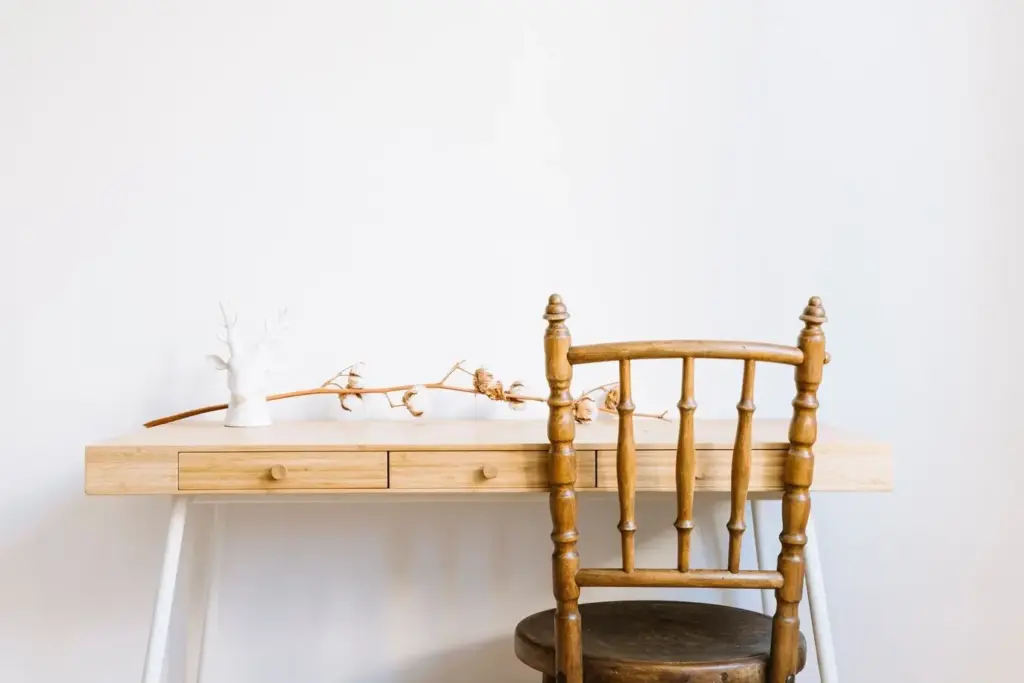
Re‑glue with hide or PVA as appropriate, avoiding messy squeeze‑out and maintaining clamping pressure across joints rather than crushing delicate profiles. When replacing dowels or tenons, match dimensions precisely. Add discreet corner blocks inside aprons. The strongest repair disappears visually while restoring the satisfying, squeak‑free solidity you’ll trust daily.
Creative Upcycling Moves
Sometimes the boldest change is a respectful pivot. Transform function without erasing heritage: reimagine tops, add casters, or merge fragments into practical, delightful furniture. Keep structural integrity central, celebrate wood species, and let inventive details earn smiles. Sustainability thrives when imagination and restraint collaborate thoughtfully, purposefully, and joyfully.

From dresser to bar, from door to headboard
Convert a narrow dresser into a cocktail cabinet with adjustable shelves, cane panels, and a spill‑proof liner. Salvage a paneled door into a headboard by framing, padding, and upholstering with remnants. Keep original hardware visible where safe, inviting guests to ask about previous lives, neighborhoods, and celebrations.
Mixing old wood with contemporary details
Pair reclaimed walnut with powder‑coated steel legs, or add soft‑close slides to a mid‑century cabinet while keeping its bookmatched veneers untouched. Discrete cable grommets turn vintage desks into modern workstations. The emotional payoff lands when hands feel history while enjoying today’s smooth, quiet, perfectly functional upgrades.

Color, texture, and finishes that still breathe
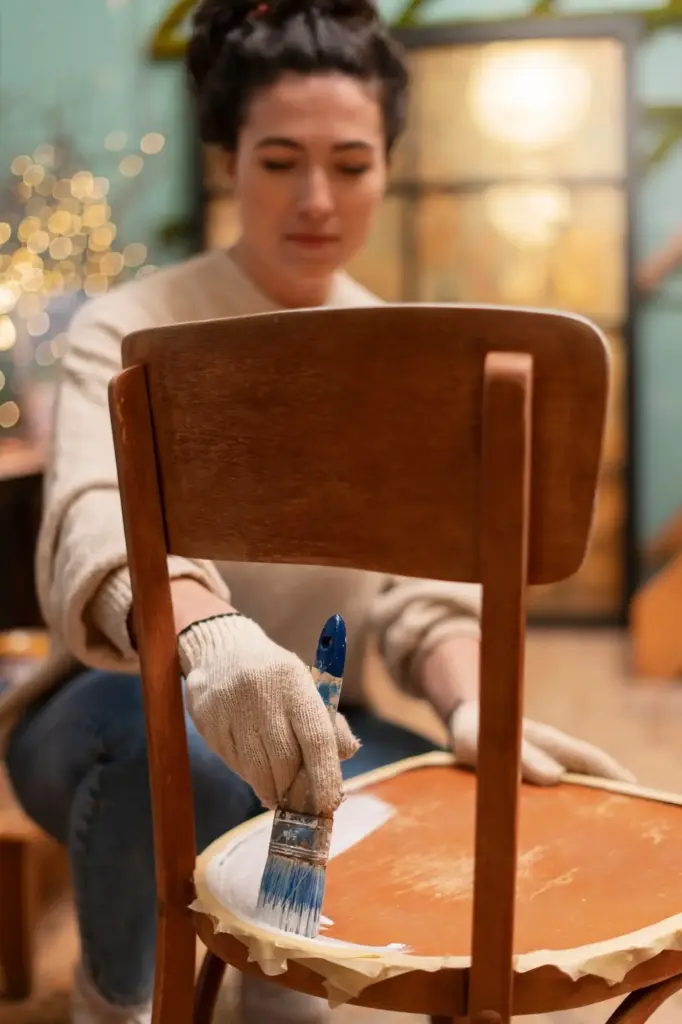
Milk paint, tinted wax, or translucent stains can add mood while letting grain speak. Layer color thoughtfully, distress sparingly, and burnish edges where touch naturally occurs. Texture linen seats or cane to soften silhouettes. The result feels storied, fresh, and easy to live with, year after year.
Healthy Finishes and Lasting Protection

Choosing finishes with transparency and trust
Look for third‑party certifications, full ingredient lists, and honest coverage estimates. Sample on scrap from your piece to confirm color cast and sheen. Two or three thin coats beat one heavy flood. Wipe excess diligently, stir thoroughly, and track times, ensuring durable protection without plastic‑looking build or sticky surprises.
Color stories with milk paint and stains
Build depth by layering complementary tones, glazing recesses, and gently rubbing through edges that would naturally wear. Balance exuberant hues with quiet wood surfaces. When in doubt, create sample boards. Natural light shifts color dramatically, so evaluate morning and evening. Your patience rewards rooms that feel coherent, welcoming, and personal.
Maintenance that keeps character alive
Teach family members how to treat surfaces kindly: coasters, felt pads, and lifting rather than dragging. Refresh oil or wax annually, spot‑repair scrapes promptly, and touch up paint chips before moisture intrudes. A little mindful upkeep preserves decades of stories and avoids drastic interventions later.
Community, Circular Momentum, and Daily Joy
Upcycling resonates strongest when shared. Trade tools, swap offcuts, and celebrate wins with neighbors and online groups. Donate surplus pieces to shelters or schools. Track the waste you divert and money you save. Invite questions, teach workshops, and subscribe for future guides that deepen skills, confidence, and collective impact.
Telling stories that invite connection
Frame each transformation with provenance, photos, and lessons learned. Share the moment a sticky drawer finally glided, or the surprise under yellowed lacquer. Stories encourage others to repair rather than replace, and they remind us that sustainable interiors are about people first, materials second, and beauty throughout.
Measuring impact with honesty and curiosity
Keep a simple log of furniture saved, finishes chosen, and car trips combined. Celebrate carbon reductions, but also note mistakes, like over‑sanding or miscolored stain. Transparency helps the community learn faster. Invite readers to comment with tips, photos, and questions, and we’ll highlight insightful contributions in upcoming posts.
All Rights Reserved.