Homes That Breathe and Belong

Step into a welcoming space where design choices honour the planet and daily habits keep beloved pieces thriving. Today we explore Eco Interior Stories and Furniture Care, sharing practical guidance, honest anecdotes, and inspiring rituals that make sustainable interiors feel achievable, personal, and beautifully lived-in. Join the conversation and share your experiences.

Understanding Certifications Without the Jargon

Labels can be confusing, but a few matter greatly. FSC and PEFC indicate responsibly managed forests, while GREENGUARD and OEKO‑TEX help you avoid excessive chemical emissions. Read beyond badges: ask suppliers for test reports, wood species, and finish details so you buy pieces that perform well and support healthier indoor air.

Finishes That Let Your Furniture Breathe

High-solvent varnishes trap smells and off-gas for months; plant-based oils and waxes allow wood to breathe and develop a richer patina. Look for low-VOC labels, ventilate during application, and test on hidden areas. Share your favorite finishes in the comments to help others discover kinder, longer-lasting options.

Care Rituals That Extend Lifespans

Rituals beat repairs. Gentle, regular attention prevents cracks, stains, wobbles, and expensive replacements. We share realistic schedules, room-by-room tips, and small protective habits that fit busy weeks, helping beloved pieces retain strength, sheen, and comfort while reducing waste and saving money over the long haul.

Stories From Homes That Chose Green

Real-life decisions matter more than buzzwords. These vignettes show how ordinary people adapted spaces thoughtfully, balancing budgets, imperfections, and patience. You will find simple swaps, joyful repairs, and small triumphs that make slow, sustainable decorating feel rewarding, realistic, and entirely personal to different households and seasons.

A Tiny Rental That Ditched Plastic Clutter

In a tiny rental, Maya boxed up brittle plastic bins and replaced them with a slim pine shelving unit finished in low-VOC wax. A secondhand wool rug deadened noise, plants softened corners, and a borrowed sander refreshed a scuffed desk. Her landlord applauded the calmer, cleaner air.

Grandmother’s Table, New Life With Plant Oils

Jasper found his grandmother’s oak table hidden beneath sticky varnish. He stripped gently, repaired a loose mortise, and applied tung oil with a hint of citrus solvent. The surface glowed again, and Sunday dinners returned, layered with stories, laughter, and the warm scent of polished wood.

Design Decisions With Measurable Impact

Design is most powerful when intentions can be measured later. By considering emissions, durability, and repair pathways, you reduce future regret. We highlight small diagnostics anyone can apply before buying, so confidence grows, waste drops, and each addition serves life rather than landfills.

Think In Lifetimes, Not Seasons

Think about the next decade during the first glance. Are parts replaceable? Are finishes repairable, not just wipeable? Can hardware be sourced easily? If yes, longevity rises and costs fall. Share one item you plan to keep ten years, and why it deserves patient care.

Modularity Means Fewer Throwaways

Modular systems let you swap arms, cushions, panels, and legs instead of discarding entire units. Choose designs with visible fasteners and published spare parts. Over time you adapt layouts to changing rooms, save money, and sidestep bulky, hard-to-recycle pieces that too often end up curbside.

A Simple Workflow For Beginners

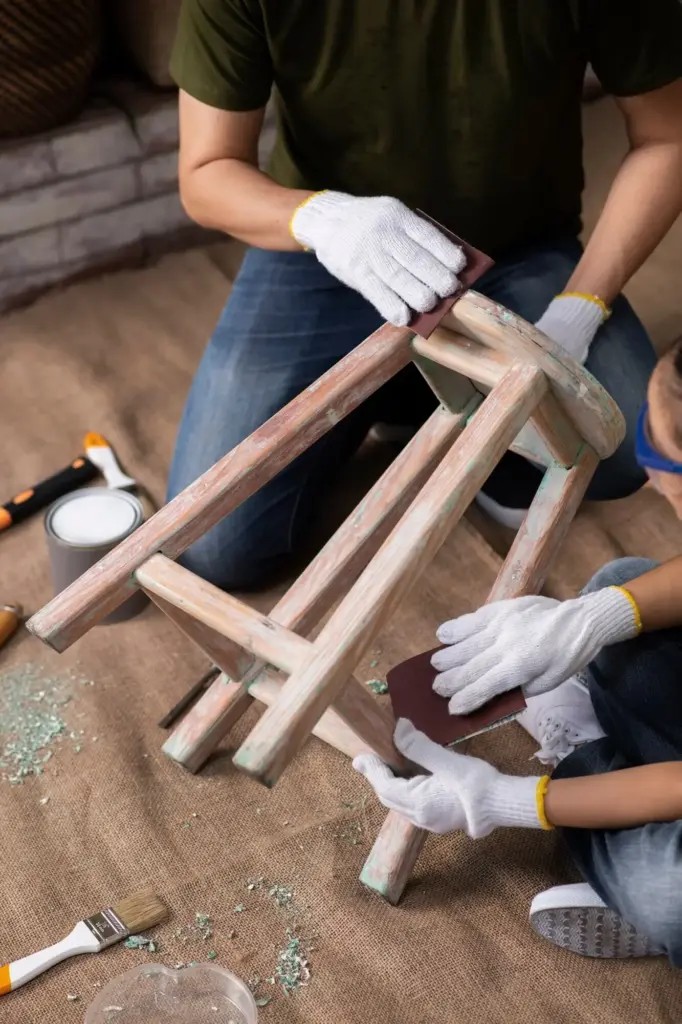
Begin by assessing joints, veneer, and finish wear. Clean gently, tighten hardware, and fill dents with wax sticks before sanding minimally. Apply plant-based oil in thin coats, letting it cure fully. Work in ventilation, wear gloves and a mask, and test everything on hidden spots first.

Tools And Supplies That Actually Help

A small, reliable kit transforms results: a cabinet scraper, tack cloth, natural-bristle brushes, microfiber cloths, low-VOC oil or wax, wood glue, clamps, and felt pads. Store extras in glass jars, label clearly, and reuse rags responsibly, reducing disposables while achieving smoother finishes and steadier progress.

Know When To Call A Professional

Complex veneer damage, historic finishes, structural cracks, and ornate inlays often require specialized skills. Interview restorers, request references, and compare approaches before shipping pieces away. Some offer workshops where you learn repairs on practice panels, empowering you to maintain finishes between professional visits with confidence.

Habits That Keep Spaces Calm And Kind

Small routines shape calm rooms. Thoughtful cleaning mixes, intentional purchasing, and scheduled checkups make maintenance light and reassuring. Adopt a few habits this week, invite housemates to join, and share progress with our community so encouragement, accountability, and practical tips keep momentum going.

Simple Recipes, Safe Ingredients

A spray bottle with diluted vinegar and water handles glass, while mild castile soap lifts grime on sealed wood and metal. Avoid acids on marble or limestone. Label recipes, store safely away from children and pets, and keep rags washed so cleaning feels easy, quick, and reliable.

Declutter With Purpose, Buy With Intention

Before bringing anything new home, try a weeklong waitlist and a one-in, one-out rule. Borrow or rent for short-term needs. Support repair cafés and secondhand marketplaces, and track savings, proving to yourself that restraint builds style, protects resources, and keeps rooms spacious and serene.

Mipenumumofukinafe
Privacy Overview

This website uses cookies so that we can provide you with the best user experience possible. Cookie information is stored in your browser and performs functions such as recognising you when you return to our website and helping our team to understand which sections of the website you find most interesting and useful.