
Care That Lasts: Material-Smart Furniture Upkeep
Today we focus on Maintenance Routines by Material: Extending the Lifespan of Furniture, sharing practical calendars, science-backed tips, and real-home stories that make care simple and satisfying. Whether you cherish oak tables, steel frames, velvet sofas, or leather chairs, you will learn exactly what to do and when, so pieces age gracefully, waste less, and feel better every day. Share your maintenance wins in the comments, ask questions, and subscribe for seasonal reminders tailored to your materials and climate.
Wood as a living structure
Wood moves across the grain with seasonal humidity swings, often as much as several millimeters on wide panels. Keep interiors around 40 to 55 percent relative humidity, dust with a dry microfiber cloth, and clean using a barely damp, pH-neutral solution. Avoid harsh all-purpose cleaners that strip finishes. A carpenter once showed me a bowed walnut shelf revived simply by stabilizing room humidity and adding felt pads to improve airflow, proving that prevention often beats dramatic repair efforts and preserves quiet beauty.
Metal fatigue, oxidation, and quiet squeaks
Bare steel and iron rust when oxygen and moisture linger, while dissimilar metals can trigger galvanic corrosion, especially in coastal air. Wipe condensation promptly, add a microcrystalline wax layer to vulnerable surfaces, and lubricate pivot points with a dry film product that resists dust. Stainless resists rust but still benefits from gentle cleaning and chloride avoidance. We rescued a patio chair set by rinsing salt spray weekly and protecting hidden fasteners, eliminating grinding noises and prolonging a satisfyingly smooth, silent swing.
The Wood Care Calendar
Weekly and monthly rituals that prevent buildup
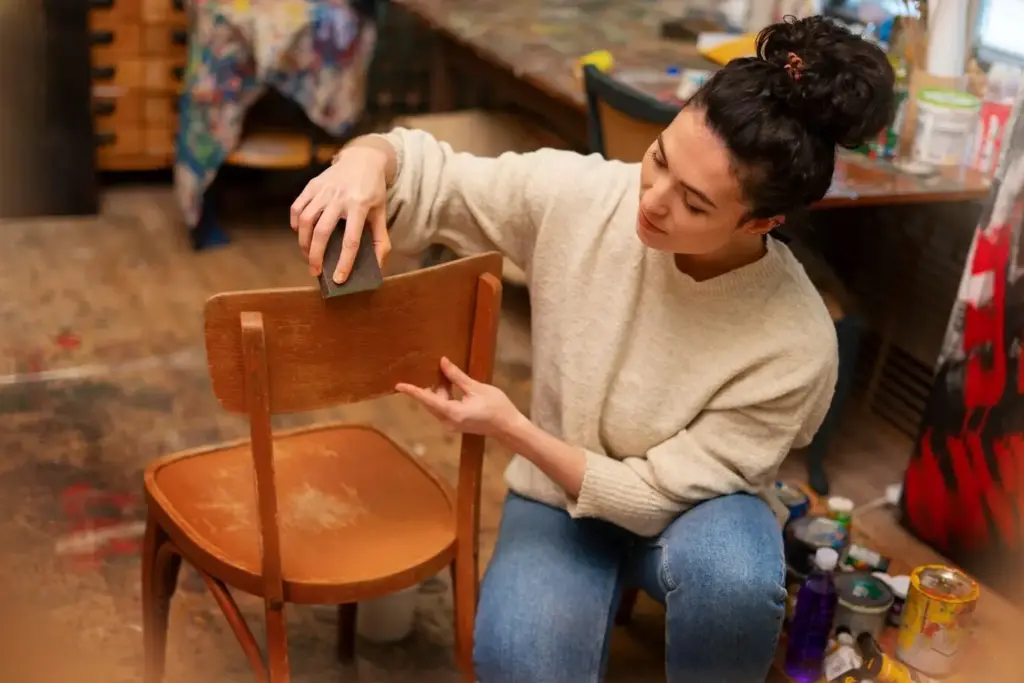
Use a dry microfiber cloth weekly to capture dust without pushing grit into pores. Monthly, wipe surfaces with a damp cloth and a mild, pH-neutral cleaner, drying immediately to avoid raised grain. Inspect edges, undersides, and chair rails where grime accumulates. Add fresh felt pads under legs and decor to prevent micro-scratches. Keep a small caddy with cloths, pads, and a gentle cleaner near the dining area, because easy access turns intentions into habits and gradually builds a naturally protective shine.
Seasonal humidity control and movement management
Set a hygrometer near important wooden furniture and track seasons. In dry winters, a humidifier prevents gaps, rattles, and checks; in humid summers, a dehumidifier reduces swelling, sticking drawers, and cupping. Leave small expansion gaps around furniture against walls to allow air circulation. Avoid positioning pieces over heat vents or radiators. A family I know saved their maple table from cracking by moving it away from a sun-blasted window and introducing a modest humidifier, which balanced moisture and preserved tight joints.
Annual inspection, minor repairs, and protective finishes
Once a year, scrutinize tops, corners, and joinery. Tighten loose screws gently, re-glue lifting veneer edges with appropriate adhesive, and address white heat marks using finish-safe methods. For oil finishes, a light application restores depth and luster; for lacquer, a professional can buff and wax micro-scratches. Document what you did and when. That simple record prevents over-treatment and helps you notice patterns. A small bottle of matching touch-up stain lives in our toolbox, saving countless trips and protecting sentimental hand-me-down pieces.
Metal and Hardware Longevity
Metals reward light, frequent attention. Clean, dry, protect, and lubricate before squeaks, stains, and pitting appear. Patio frames exposed to rain and salt need rinsing and wax, while indoor steel prefers dusting and an occasional wipe. Stainless resists corrosion but can tea-stain in harsh environments, reminding us that maintenance outruns marketing. Hardware links everything together: hinges, bolts, slides, and glides carry daily stress. Respect these small parts and furniture feels newer, safer, and sturdier, quietly extending the life of everything they support.
Rust prevention for iron and carbon steel
Start by removing light surface rust with a non-scratch pad and a bit of mineral oil, then dry thoroughly and seal with microcrystalline wax. For outdoor frames, rinse off road salt or sea spray weekly during harsh seasons. Touch up chipped paint promptly to block moisture. When storing, keep pieces off damp floors using simple risers. A friend’s bistro set survived three winters because they rinsed, dried, and waxed consistently, turning five-minute routines into years of extra, trouble-free mornings on the balcony.
Respecting stainless and aluminum
Stainless benefits from soap-and-water cleaning and soft cloths, avoiding bleach and harsh chlorides that can spot finishes. Wipe along the grain to reduce visible streaking. Aluminum thrives when salt is rinsed away and dissimilar-metal contacts are insulated to reduce galvanic reactions. Clear coats or protective waxes add extra resilience. Tighten any loose end caps and plastic glides. After a season near a pool, one client’s aluminum loungers looked dull until we introduced a rinse-and-wax routine, bringing back a silvery, satisfying brightness.
Bolts, hinges, and joints that never loosen
Hardware often fails first, yet it is easiest to maintain. Every six months, gently test for play, snug bolts without over-torquing, and add a thread locker if repeated loosening occurs. Use a dry lubricant on drawer slides and hinges to dodge dust buildup. Replace worn glides to stop rocking and floor damage. A creaky dining chair became silent after we tightened stretcher bolts and applied wax to the tenons, showing how tiny interventions dramatically restore comfort, safety, and confident daily use.

Vacuum, rotate, and fluff with intention
Use the upholstery tool weekly, tracing seams and crevices where crumbs and abrasive dust collect. Rotate and flip cushions to balance compression, and distribute favorite seats so one spot does not carry every movie night. Gently beat removable cushions outdoors to release embedded particles. For down blends, a few firm pats restore loft and comfort. Keep a small brush near armrests to tidy lint. A family routine, five minutes on Sundays, kept their chenille sectional plump, evenly worn, and warmly welcoming.

Safe stain removal without regrets
When accidents happen, blot immediately with a clean, colorfast cloth, working from the edge inward to prevent spreading. Check the fabric care code and test solutions in a hidden area. Water-based stains need cool water and patience; oily stains respond to solvent-safe approaches. Avoid vigorous scrubbing that roughs fibers. Record what worked for future confidence. We once saved a wool blend armchair by alternating cool-water dabs and gentle air-drying, preserving texture while erasing the mark, which felt like quiet magic and relief combined.
Leather and Faux Leather Confidence
Leather thrives on balance: clean gently, condition thoughtfully, and protect from extreme sun and heat. Too much product suffocates pores, while too little invites drying and cracking. Faux leather prefers mild cleaning and temperature moderation to prevent brittleness. Always test products and match them to finish types like aniline or pigmented. A small scratch often disappears with warmth and a tiny dab of appropriate conditioner. With steady care, seats develop a graceful patina rather than rough wear, inviting lingering conversation and comfortable rest.

Hard Surfaces: Stone, Glass, and Laminate
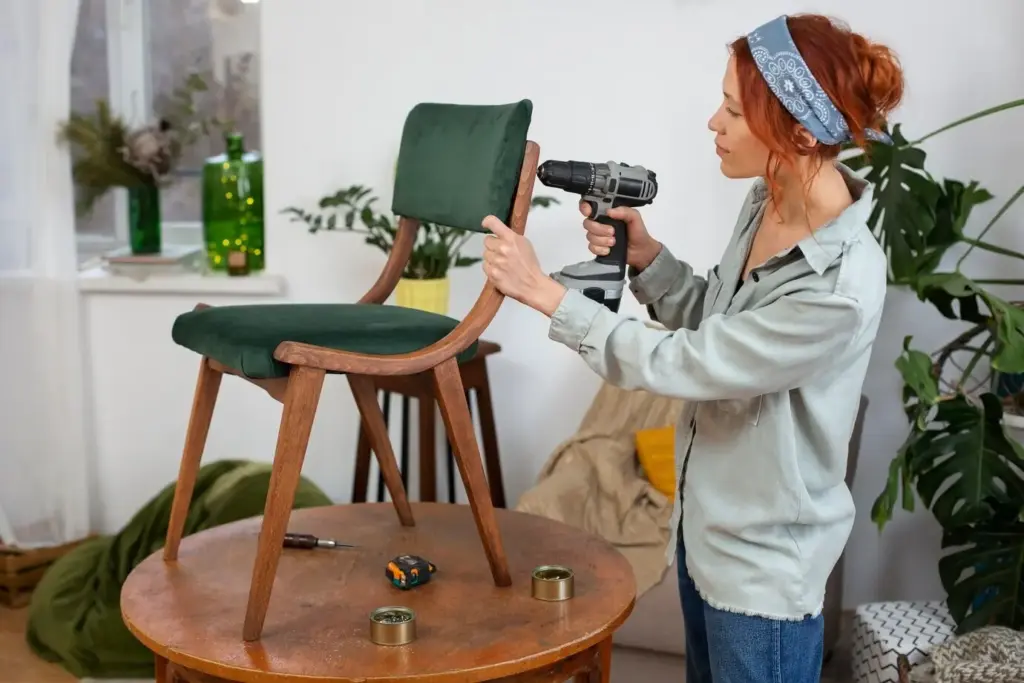
Hard surfaces seem invincible, yet small missteps create dullness and hidden damage. Stone needs sealing and pH-safe routines to resist etching. Glass demands soft tools to avoid scratches and streaks. Laminate and veneer dislike standing moisture and harsh pads that trap grit. Embrace simple tools, gentle chemistry, and quick response to spills. Together, these habits keep surfaces bright, strong, and quietly enduring, making everyday cleaning feel rewarding rather than relentless. Share your go-to tips below and help others master these satisfying rituals.

All Rights Reserved.