Breathe Easy Wood Care: Lasting Beauty with Gentle Protection

Today we dive into non-toxic wood finishes and natural cleaners that help furnishings last longer, look richer, and remain healthier for people and pets. Expect practical methods, ingredient clarity, and maintenance routines that minimize fumes, reduce damage from harsh products, and keep cherished pieces strong, inviting, and resilient through everyday life, seasonal changes, and generations of stories gathered around tables, shelves, and heirlooms.

VOCs, Off‑Gassing, and Comfortable Rooms

Volatile organic compounds evaporate into the air as finishes cure, influencing odor, comfort, and health. Choosing low-VOC or plant-derived systems reduces this load, especially in small rooms. Good ventilation, thin coats, and allowing full cure times dramatically limit lingering smells while improving film performance, so pieces settle in quickly without that heavy, chemical haze that can overshadow beautiful craftsmanship and careful design.

Finish Families and Their Natural Allies

Penetrating oils, wax blends, waterborne films, and shellac each behave differently under wear and cleaning. Matching a gentle, pH-balanced cleaner to the chosen protection prevents premature dulling. Oils like tung and polymerized linseed need breathable care, while modern waterborne topcoats thrive with mild soap and microfiber, letting you keep surfaces clean without stripping character or undermining the very protection you invested in.

Grain, Porosity, and Lasting Protection

Open-pored woods like oak welcome oils deeply, while tighter species like maple prefer thin, even films. Recognizing how pores drink finish determines both longevity and maintenance needs. When the structure is honored, fewer coats achieve more, cleaning takes less effort, and seasonal movement causes fewer surprises, allowing finishes to flex gracefully with humidity shifts while retaining a convincing, touchable, low-odor glow.

Protection Without Compromise

Choosing safer protection is not about settling; it is about selecting chemistry that hardens reliably, guards against spills, and repairs gracefully. From plant-based oils to advanced waterborne resins, today’s options offer rich color, controlled sheen, and workable cure times. Understanding trade-offs helps you prioritise warmth, water resistance, and repairability, creating a finish system that fits your household rhythms instead of demanding constant worry.

Tung Oil and Polymerized Linseed Compared

Pure tung oil polymerizes into a water-resistant network with repeated thin applications, offering warm depth and easy spot repair. Polymerized linseed, heat-treated for faster cure, builds quicker and harder with reduced yellowing risk. Both respond beautifully to patient wiping techniques and light burnishing, delivering quietly durable protection when partnered with gentle cleaners that respect breathable films rather than forcing harsh, pH-skewed shortcuts.

Hardwax Oils for Hands-On Living

Blends of natural oils with beeswax and carnauba create a repair-friendly surface ideal for active homes. Scuffs often buff out without full sanding, and gloss adjusts with simple maintenance coats. Their satin glow celebrates texture, while low-odor application supports small-space projects. Paired with microfiber dusting and mild soap, these finishes develop character rather than wear through, keeping surfaces pleasing under fingertips and camera alike.

Application That Loves the Grain

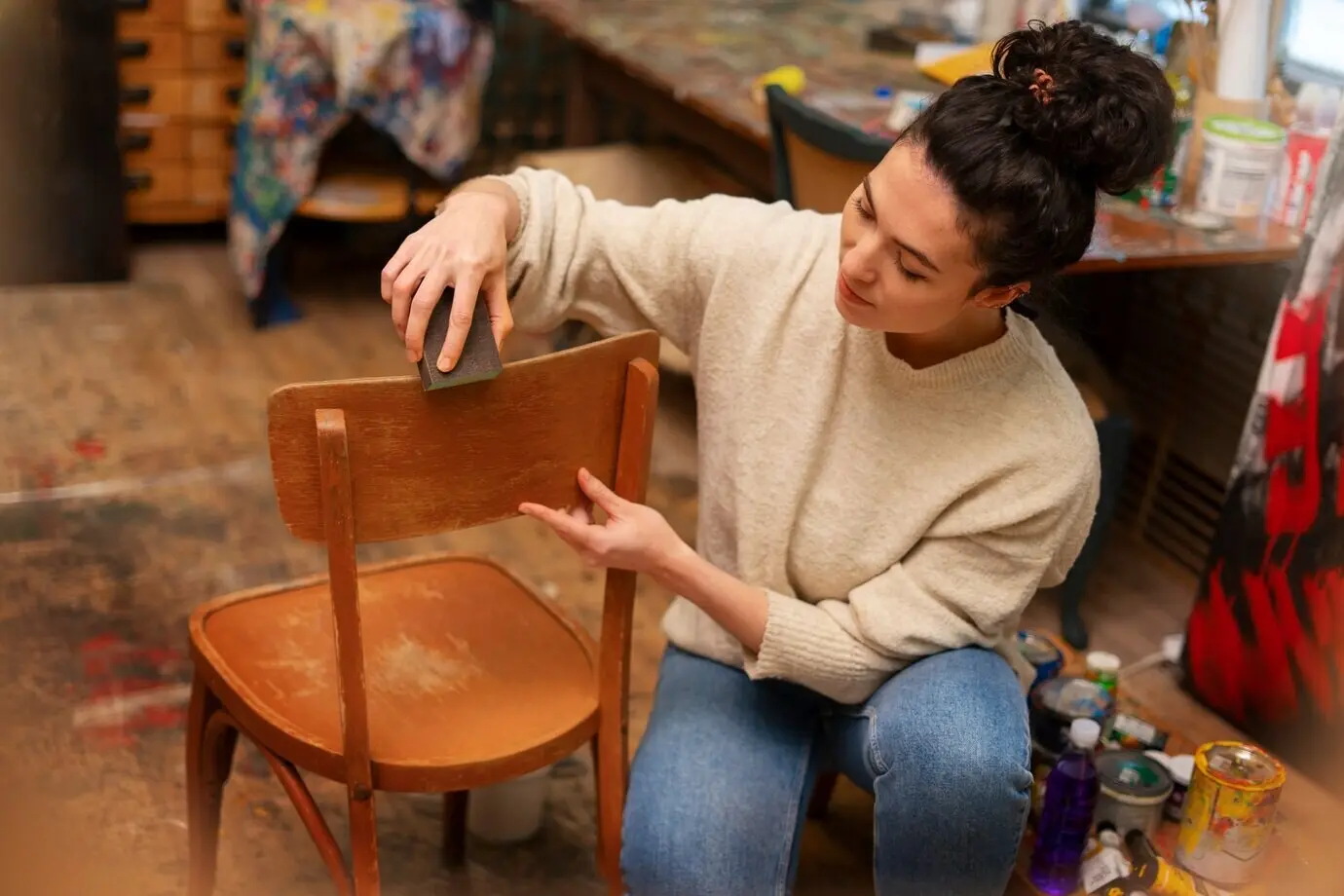
Longevity begins long before the first spill test. Surface preparation, dust control, and modest film thickness determine how beautifully a finish levels and how easily it repairs later. By sanding thoughtfully, raising grain where appropriate, and respecting manufacturer cure windows, you avoid gummy patches and embedded grit, ensuring a smooth, resilient surface that welcomes gentle cleaners and resists everyday bumps without drama.

Surface Prep and Sanding Sequences

Progress through grits patiently, stopping before burnishing closes pores. Many projects sing at 180–220 on hardwoods, with a light water raise before final pass for waterborne topcoats. Vacuum, tack carefully, and control shop dust. Proper prep yields better adhesion, fewer nibs, and an even sheen, letting thin, low-odor coats protect more effectively and clean more easily for years of unhurried enjoyment.

Wipe-On Methods and Curing Patience

Thin, even coats beat heavy floods every time. Apply with a lint-free cloth along the grain, wiping excess within minutes to avoid sags. Allow generous oxygen and time between coats, resisting the urge to rush. True hardness emerges after full cure, when gentle cleaners glide without dulling the film, and that satisfying, hand-rubbed look becomes both feel and function in daily use.

Spot Repairs Without Starting Over

Small dings rarely require total stripping. Feather sand the area, clean thoroughly, and apply a compatible maintenance coat. For oils and hardwax systems, a light buff blends edges invisibly. For waterborne films, scuff and lay a careful patch. The secret is restraint: localized attention preserves patina, reduces waste, and avoids strong solvents, keeping rooms comfortable while furniture gracefully accumulates meaningful signs of real life.

Clean Routines That Respect the Finish
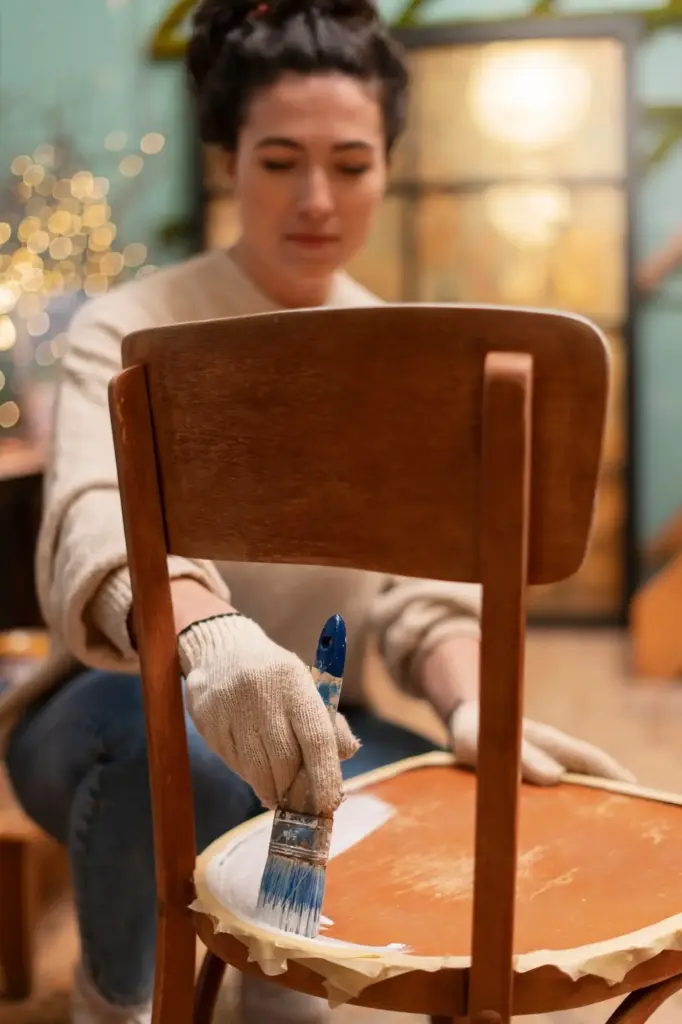
Cleaning should extend protection, not fight it. Gentle, pH-balanced solutions lift dirt without clouding sheen, while microfiber traps dust that otherwise scours. Moisture control matters as much as chemistry: damp, not wet; wipe with the grain; dry immediately. These small habits, paired with breathable finishes, create furnishings that shrug off fingerprints, spills, and sticky seasons with quiet resilience and reliable, low-odor grace.

From Pantry to Polish

Kitchen-grade ingredients can clean beautifully when used with intention and knowledge. Not every natural substance belongs on wood, and proportions matter. By measuring carefully, labeling bottles, and respecting finish type, you can create gentle formulas that rinse clean, avoid sticky residues, and complement curing processes, supporting longevity while keeping your home free from overpowering scents and unnecessary, surface-stressing chemicals.

All-Purpose Spray for Sealed Surfaces

Combine 500 milliliters distilled water with one teaspoon unscented castile soap in a labeled spray bottle. Lightly mist a cloth, not the furniture, and wipe with the grain. Dry immediately. Avoid vinegar on delicate waterborne finishes if uncertain. Patch test first, keep the formula fragrance-free for sensitive spaces, and store out of sunlight. Simplicity prevents residue, preserves clarity, and respects both film and family.

Beeswax Balm with Subtle Citrus

Melt one part beeswax with four parts jojoba or fractionated coconut oil using a double boiler, then cool and stir in a few drops of food-grade d‑limonene if desired. Apply sparingly, buff thoroughly, and allow light cure. This replenishes sheen on oil or wax finishes, not heavy films. Always test discreetly, label containers, and keep rags aired flat to avoid dangerous heat buildup.

Rag Safety and Smart Storage

Oily rags can self-heat as drying oils cure, posing a real fire risk. After use, lay rags flat outdoors or submerge in water within a sealed metal container before disposal. Label homemade cleaners clearly, note mixing dates, and keep away from kids and pets. These quiet safety habits protect the workshop, sustain confidence, and ensure your health-first care routine remains calm, predictable, and long-lived.

A Table That Learned New Patience

An heirloom oak table revived under thin coats of tung oil taught one family to slow down: wipe thin, wait longer, and buff lightly. Weeks later, meals returned without the heavy smell they dreaded. Now a quick microfiber sweep after dinner keeps the glow alive, and that table hosts homework, birthdays, and weekend puzzles with the same steady, comfortable confidence every single day.

A Nursery Shelf with Quiet Confidence
A small maple bookshelf finished with a modern waterborne topcoat moved into the nursery the same weekend, thanks to low odor and rapid safe handling. Weekly damp cloth care keeps fingerprints from building up. Parents report zero harsh scents, calm bedtime reading sessions, and a surface that shrugs off pacifier drips, proving that gentler chemistry and steady routines can feel wonderfully uncomplicated and reliable.

Your Turn: Share, Ask, and Inspire

What finish or gentle cleaner surprised you most? Tell us which recipe worked, where it struggled, and how you adjusted. Post a photo, leave a comment, or subscribe for new formulas, product tests, and reader experiments. Your experiences help others choose wisely, avoid frustration, and keep beloved pieces sturdy, beautiful, and welcoming without inviting strong smells or complicated maintenance schedules into busy homes.

Fixes, Facts, and Fables

Clarity prevents costly do-overs. Not every natural product is safe for wood, and not every strong product is necessary. Distinguishing breathable oils from film-formers, identifying existing finishes before cleaning, and understanding where professional help matters can transform outcomes, reduce waste, and keep rooms pleasant, all while retaining the tactile charm that draws us to real wood in the first place.

Why Olive Oil Is Not Wood Care

Olive oil does not polymerize into a durable network; it can stay tacky, attract dust, and turn rancid. Use true drying oils like tung or polymerized linseed, or dedicated wax blends that cure and buff cleanly. The right chemistry prevents smears, supports easy cleaning, and maintains sheen without perfume-heavy polishes that mask problems rather than solving them with considered, breathable protection.

Identify the Existing Finish Before You Clean

Shellac softens with alcohol, lacquer reacts to lacquer thinner, and waterborne films resist most mild soaps. Test discreetly with minimal solvent to avoid damage, and stop if you see smearing. Knowing the surface guides cleaner choice, prevents cloudy patches, and preserves protective layers, helping each wipe support longevity rather than sanding away months of curing in a few hurried minutes.
Mipenumumofukinafe
Privacy Overview

This website uses cookies so that we can provide you with the best user experience possible. Cookie information is stored in your browser and performs functions such as recognising you when you return to our website and helping our team to understand which sections of the website you find most interesting and useful.