Makeovers Without the Bin: Real Homes, Real Change

Step inside inspiring Zero-Waste Room Makeovers: Real-Home Case Studies, where families, roommates, and first-time renovators transform spaces without sending useful materials to landfill. Follow candid budgets, material swaps, inventive repairs, and measurable diversion results, and leave with practical checklists, encouraging stories, and a plan you can start today.

Start with a Waste Audit, Not a Sledgehammer

Before any dust flies, we count, sort, and plan. A simple waste audit reveals what can be repaired, traded, or donated, and what truly needs replacing. With a clear materials map, timelines shrink, budgets relax, and surprises become opportunities instead of panic, guiding every decision toward reuse.

The Five-Bag Challenge in a Studio Apartment

In a 28-square-meter studio, we challenged the owner to limit outgoing trash to five small bags across the entire refresh. By cataloging hardware, rehanging doors, and bartering a mirror for shelves, the space gained storage, character, and calm without a single rush purchase or regret.

Mapping Every Material Before Touching Paint

Listing every component on painter’s tape—hinges, pulls, screws, trim lengths, even intact wallboard—turned chaos into a parts library. That simple map prevented duplicate buys, kept sets together for donation, and ensured leftover paint matched future touch-ups, saving time and preventing orphaned materials from drifting to landfill.

Setting a Diversion Target You Can Actually Track

Aiming for ninety percent diversion sounds bold, yet tracking by weight with a luggage scale made progress visible and motivating. Weekly snapshots, labeled bins, and a standing donation pickup turned habits into momentum, keeping everyone aligned when decisions got tough and shiny new options tried to distract.
Cabinets Saved by Repair and Reface

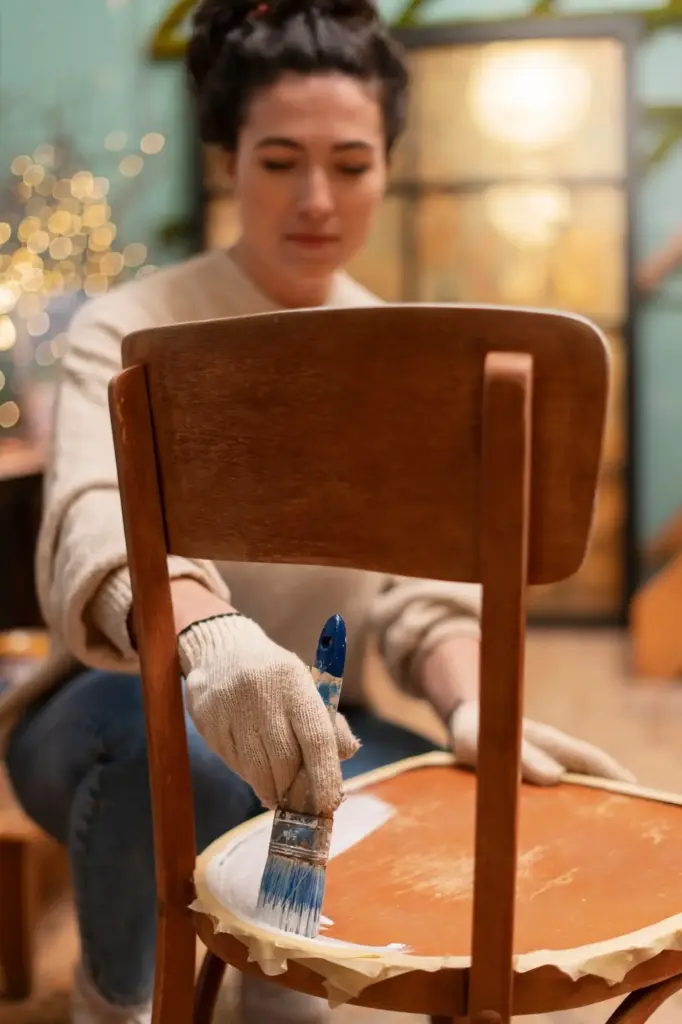
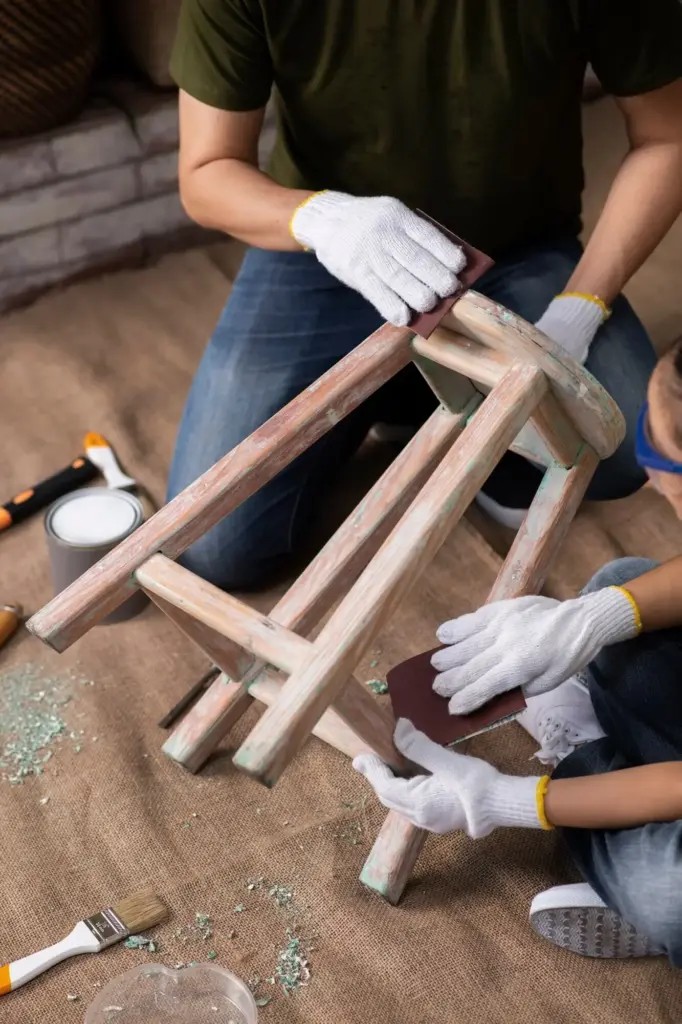
Instead of ripping out perfectly sturdy boxes, we squared frames, added plywood backs, and ordered local veneer panels cut to size. New hinges matched salvaged pulls, sanding dust was contained for reuse as filler, and every removed part was photographed to simplify reassembly and future maintenance.

Countertops from Retired Gym Bleachers

Hard maple from retired gym bleachers became counters with character and resilience. We filled bolt holes with tinted epoxy, oiled the surface with plant-based finish, and edged with salvaged aluminum. The result was warm, food-safe, easily repairable, and kept a storied material in daily, joyful use.

Case Study: Bedroom Serenity from What You Already Own

A quiet bedroom emerged by elevating what already existed: a scuffed wardrobe, inherited linens, and a tired lamp. Gentle repairs, cohesive color, and thoughtful layout created calm without shopping sprees. The result proved comfort grows from intention, not accumulation, and kept cherished pieces in daily service.

Wardrobe Reinvented with Simple Joinery

Instead of buying storage, we rebuilt the existing wardrobe with a salvaged plywood divider, added adjustable rails from a dismantled closet system, and used leftover paint for a fresh, low-sheen finish. New felt pads, repaired hinges, and labeled bins made access easy and mornings noticeably smoother.

Textiles That Carry Memory and Warmth

A cedar chest stored quilts and stories. We mended seams with thread from an old kit, overdyed faded patches with plant dye, and rotated pieces seasonally. The bed gained texture and history, while the family gained rituals that outlast trends and reduce impulse purchases dramatically.

Soft Light from a Disassembled Floor Lamp

We dismantled a wobbly floor lamp, reused the brass stem as conduit, paired a salvaged linen shade, and installed a dimmable LED bulb. The glow shifted from harsh to gentle, energy use dropped, and scattered parts were spared from becoming forever-lost junk in storage.

Deconstruction Techniques That Keep Materials in Use

Demolition is fast; deconstruction is generous. By slowing down, components keep their integrity and future options. We share techniques, tools, and sequencing that reduce dust, preserve finishes, and invite neighbors or nonprofits to collect materials at peak usefulness, before fatigue leads to shortcuts.

Unscrew, Unfold, Unstick: Patience Beats Force

A multi-tool with oscillating blade, a set of screwdrivers, and patience saved crown molding that would have shattered under a pry bar. We sliced paint lines, scored caulk, and eased sections away intact, letting another room enjoy century-old profiles with almost no sanding.

Label, Stack, Store: Order That Protects Value

Every board received a number, origin note, and destination plan. Stacks were strapped and sheltered from weather; hardware lived in labeled jars. This calm order protected value, simplified pickup scheduling, and prevented the classic tragedy of warped wood that nobody wants after a storm.

Find New Homes Before You Begin

We posted materials to reuse groups a week before removal, included measurements, and honored first-come agreements. A volunteer crew arrived with tarps and straps, turned heavy lifting into laughter, and ensured components moved straight to their next life instead of languishing in a pile.

Circular Sourcing That Feels Like Treasure Hunting

Shopping becomes searching wisely. Circular sourcing means leaning on salvage yards, community swaps, repair cafes, and local makers using reclaimed stock. By matching needs to existing abundance, projects gain character, reduce lead times, and keep budgets friendly, all while strengthening neighborhood relationships and skills.

Measuring Impact, Celebrating People, and Sharing the Journey

Impact becomes real when you measure it, celebrate people, and let others learn from your journey. We track diversion, tally savings, and capture feelings alongside photos. Sharing honest updates invites accountability, inspires neighbors, and grows a community that treats materials and stories with equal respect.
Mipenumumofukinafe
Privacy Overview

This website uses cookies so that we can provide you with the best user experience possible. Cookie information is stored in your browser and performs functions such as recognising you when you return to our website and helping our team to understand which sections of the website you find most interesting and useful.