
Breathe Easy Wood Care: Lasting Beauty with Gentle Protection

VOCs, Off‑Gassing, and Comfortable Rooms
Volatile organic compounds evaporate into the air as finishes cure, influencing odor, comfort, and health. Choosing low-VOC or plant-derived systems reduces this load, especially in small rooms. Good ventilation, thin coats, and allowing full cure times dramatically limit lingering smells while improving film performance, so pieces settle in quickly without that heavy, chemical haze that can overshadow beautiful craftsmanship and careful design.
Finish Families and Their Natural Allies
Penetrating oils, wax blends, waterborne films, and shellac each behave differently under wear and cleaning. Matching a gentle, pH-balanced cleaner to the chosen protection prevents premature dulling. Oils like tung and polymerized linseed need breathable care, while modern waterborne topcoats thrive with mild soap and microfiber, letting you keep surfaces clean without stripping character or undermining the very protection you invested in.
Grain, Porosity, and Lasting Protection
Open-pored woods like oak welcome oils deeply, while tighter species like maple prefer thin, even films. Recognizing how pores drink finish determines both longevity and maintenance needs. When the structure is honored, fewer coats achieve more, cleaning takes less effort, and seasonal movement causes fewer surprises, allowing finishes to flex gracefully with humidity shifts while retaining a convincing, touchable, low-odor glow.
Protection Without Compromise

Tung Oil and Polymerized Linseed Compared

Hardwax Oils for Hands-On Living

Application That Loves the Grain
Surface Prep and Sanding Sequences
Progress through grits patiently, stopping before burnishing closes pores. Many projects sing at 180–220 on hardwoods, with a light water raise before final pass for waterborne topcoats. Vacuum, tack carefully, and control shop dust. Proper prep yields better adhesion, fewer nibs, and an even sheen, letting thin, low-odor coats protect more effectively and clean more easily for years of unhurried enjoyment.
Wipe-On Methods and Curing Patience
Thin, even coats beat heavy floods every time. Apply with a lint-free cloth along the grain, wiping excess within minutes to avoid sags. Allow generous oxygen and time between coats, resisting the urge to rush. True hardness emerges after full cure, when gentle cleaners glide without dulling the film, and that satisfying, hand-rubbed look becomes both feel and function in daily use.
Spot Repairs Without Starting Over
Small dings rarely require total stripping. Feather sand the area, clean thoroughly, and apply a compatible maintenance coat. For oils and hardwax systems, a light buff blends edges invisibly. For waterborne films, scuff and lay a careful patch. The secret is restraint: localized attention preserves patina, reduces waste, and avoids strong solvents, keeping rooms comfortable while furniture gracefully accumulates meaningful signs of real life.
Clean Routines That Respect the Finish
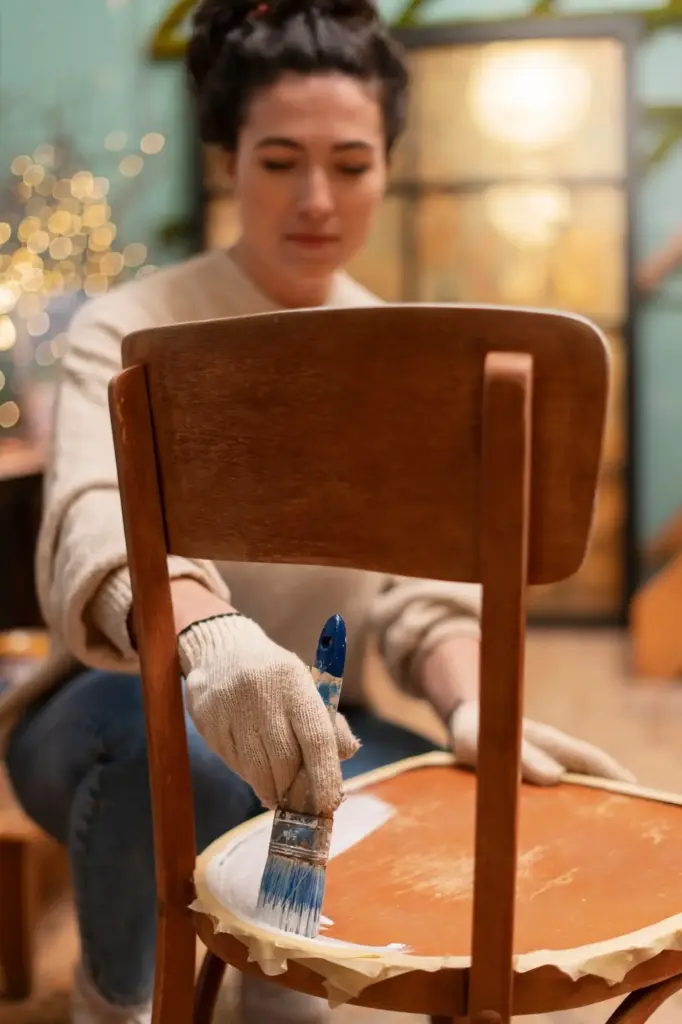
From Pantry to Polish
All-Purpose Spray for Sealed Surfaces
Beeswax Balm with Subtle Citrus
Rag Safety and Smart Storage
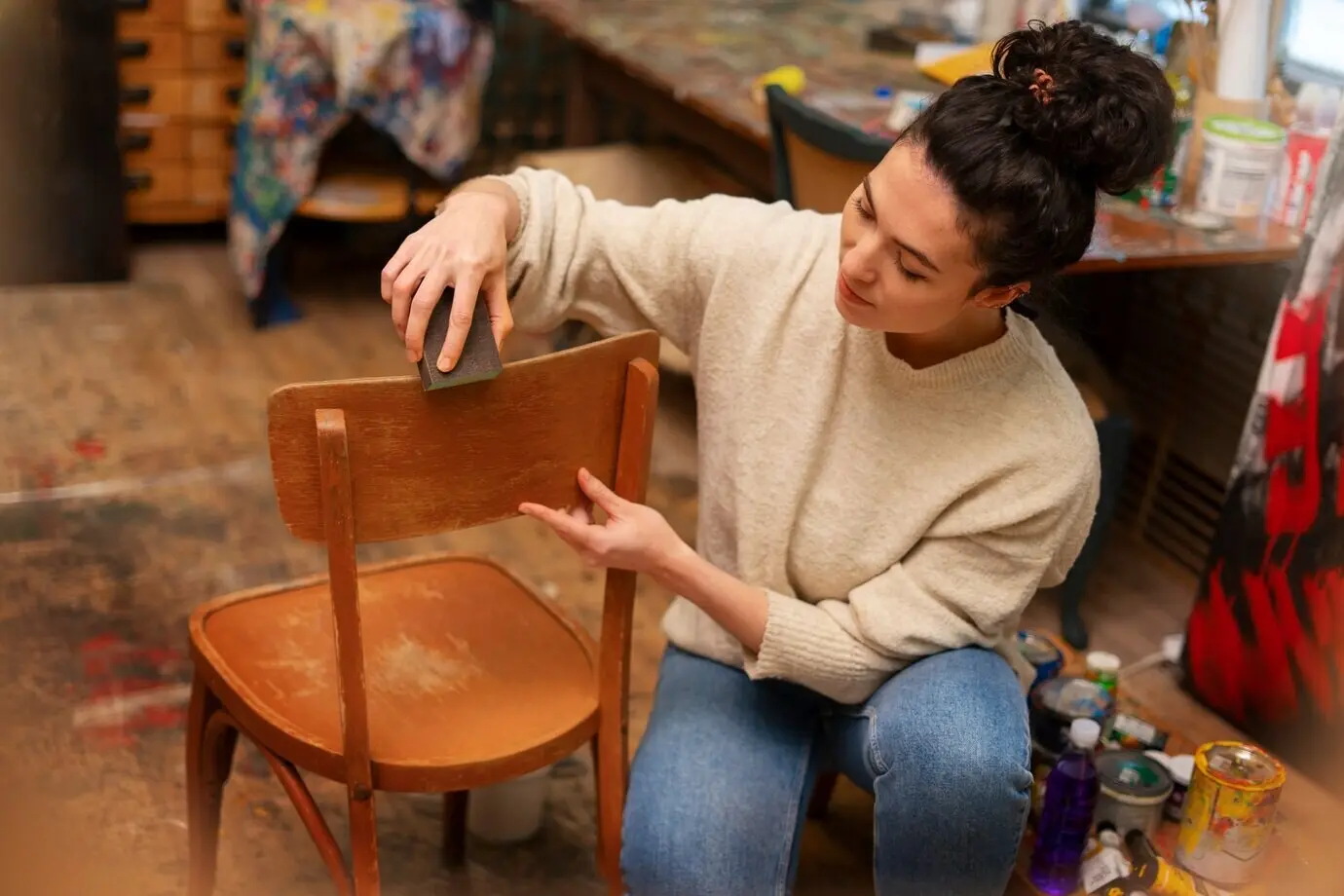
A Table That Learned New Patience

A Nursery Shelf with Quiet Confidence
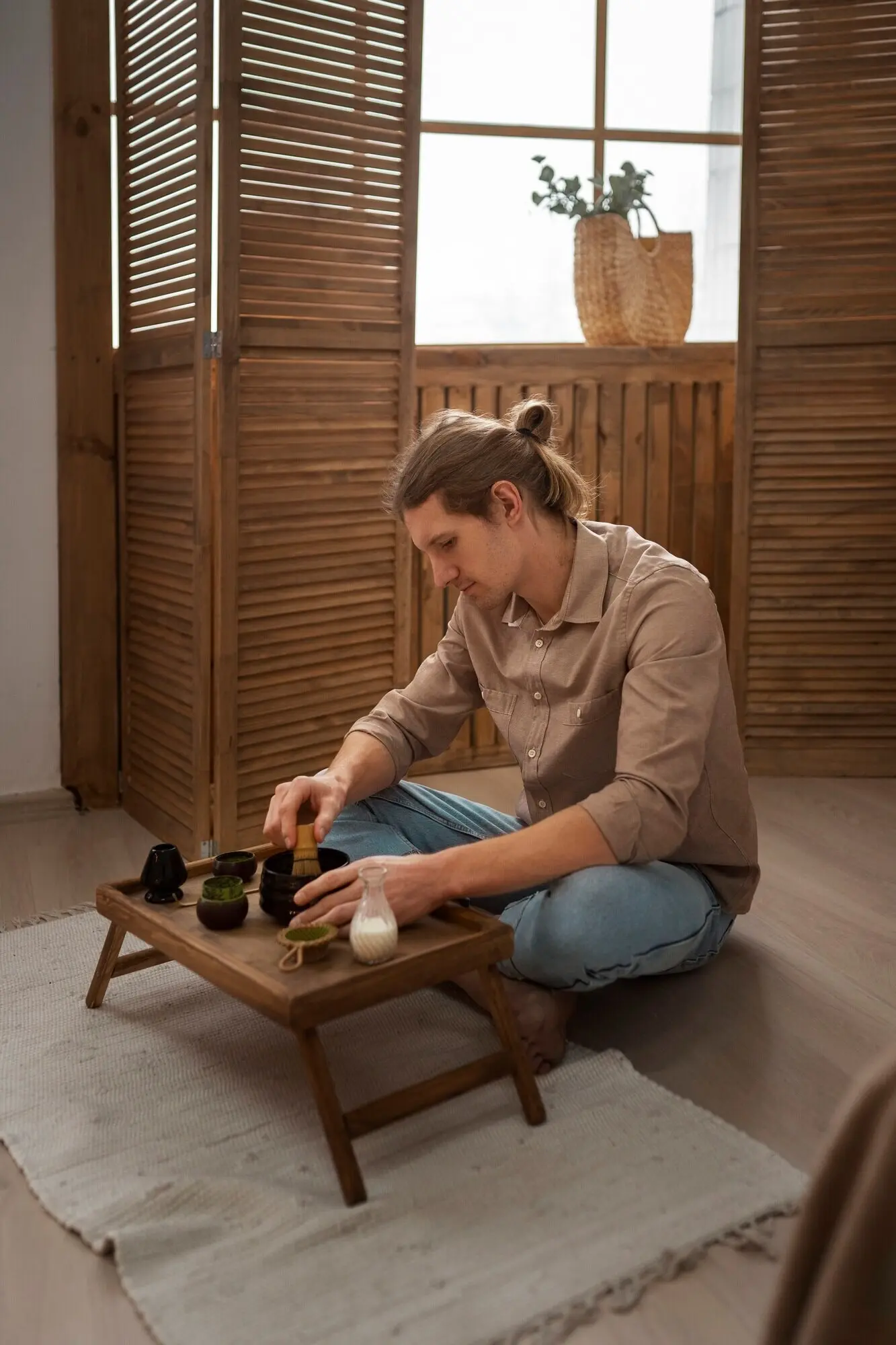
Your Turn: Share, Ask, and Inspire
Fixes, Facts, and Fables
Why Olive Oil Is Not Wood Care

Identify the Existing Finish Before You Clean

All Rights Reserved.